

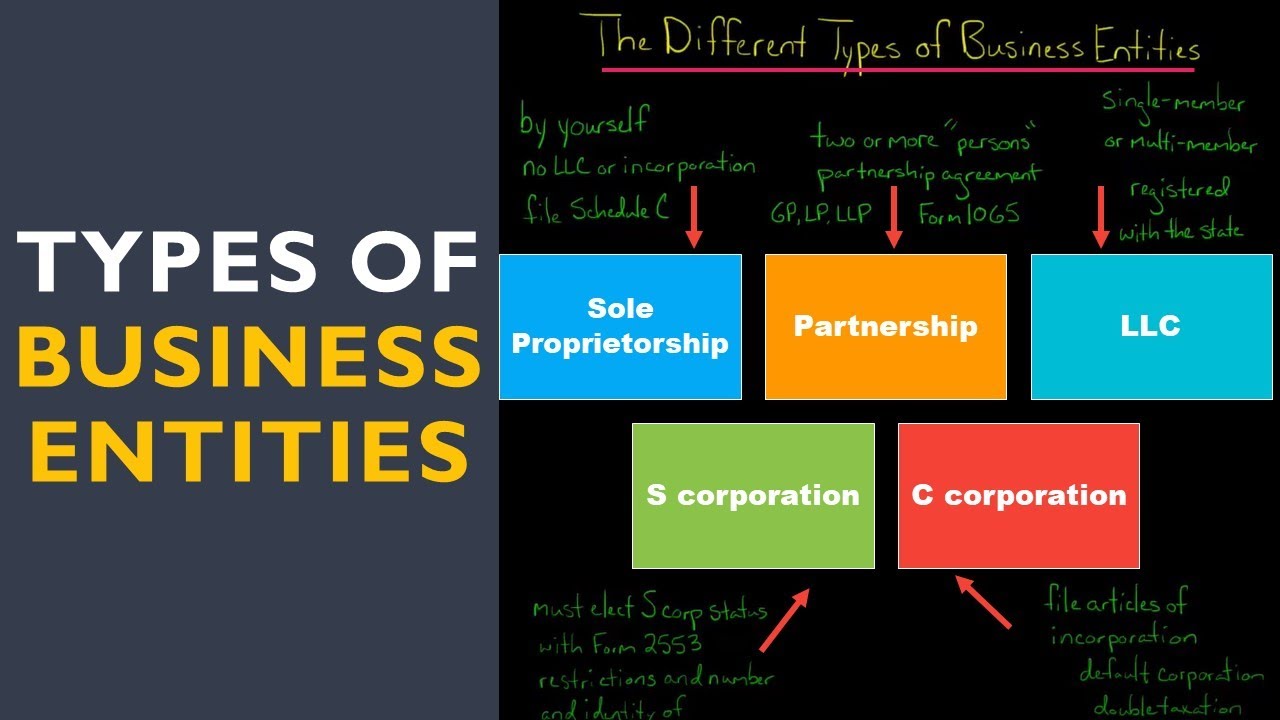
A Limited Responsibility Firm (LLC) is a prominent company framework in the United States due to its versatility and the protection it offers its proprietors from individual responsibility. Basically, an LLC is a hybrid entity that combines the characteristics of both a firm and a partnership or sole proprietorship. While it is versatile in regards to the internal arrangements that can be made in between members, it is this structure's ability to protect individual properties that makes it especially eye-catching. For circumstances, in case of service failings or lawsuits, the individual assets of the firm's members, such as personal savings account, homes, and other investments, are usually protected.
LLCs are additionally favored for their tax obligation advantages. Unlike a corporation, an LLC is not called for to pay revenue tax as a different company entity. Rather, all losses and earnings are "gone through" to each member of the LLC, that after that report this information on their individual tax obligation returns. This system prevents the dual taxation commonly connected with firms, where both the business's earnings and the rewards paid to investors are taxed. Nevertheless, it is very important for prospective LLC participants to recognize that this tax obligation versatility can differ dramatically relying on the state in which the LLC is arranged. Each state might have various policies concerning the formation, framework, and taxes of LLCs, which can impact the calculated planning of the organization.
Comprehending Minimal Obligation Firms (LLCs)
A Restricted Responsibility Company (LLC) is an adaptable organization framework in the USA that integrates aspects of both partnerships and companies. It is favored by entrepreneur mostly for its safety features and its flexibility in monitoring and taxes. When an individual or a group decides to develop an LLC, they protect their personal assets from the company's liabilities. This means that in instances of lawful disagreements or organization debts, the personal residential or commercial property of the members, such as their homes, cars, or personal bank accounts, can not be targeted to settle business-related liabilities. LLCs are recognized for their tax versatility; they can choose to be tired as a sole proprietorship, partnership, S corporation, or C company, offering substantial flexibility when it comes to financial planning and tax commitments. The operational adaptability of an LLC is also significant. Unlike firms which are needed to have a formal framework consisting of directors and yearly conferences, LLCs have the option to run with a lot less rule. This can be particularly helpful for small to medium-sized services that favor marginal bureaucratic overhead. Participants can manage the LLC themselves, referred to as "member-managed," or they can assign managers to deal with the organization's procedures, which is called "manager-managed." This option supplies considerable control over the service framework and can be tailored to match the particular requirements of the service and its proprietors. Additionally, establishing an LLC is fairly simple, with the needs differing slightly from state to state. Typically, it involves filing the Articles of Organization with the state's Secretary of State workplace and paying a declaring cost. Afterwards, it is extremely advised, though not always compulsory, to create an Operating Contract. This record details the possession and operating treatments of the LLC, giving clear guidelines on the circulation of revenues, resolution of disagreements, and the roles of participants. This arrangement can likewise be personalized to resolve the one-of-a-kind demands of business, which assists and improves the operational effectiveness protect against inner problems. In general, the LLC structure is developed to offer a combination of responsibility protection, operational simplicity, and tax effectiveness, making it an eye-catching alternative for numerous entrepreneurs and company proprietors. By understanding and making use of the framework efficiently, proprietors can protect their passions while maximizing the adaptability and protection used by this sort of company entity.
Understanding the Structure and Advantages of an LLC
Minimal Responsibility Companies (LLCs) offer a versatile and advantageous structure for company owner, making them a popular choice across a broad array of markets. Unlike firms that are bound by even more rigid functional structures and tax obligation responsibilities, LLCs provide the advantage of pass-through taxes. This implies that the earnings of the LLC are only taxed when at the private level, avoiding the double taxation usually encountered in firms. Additionally, the structure of an LLC guards its participants' personal assets from business financial obligations and responsibilities. This defense is critical, as it substantially lowers the personal monetary risk that the owners encounter. The adaptability of an LLC also encompasses its administration, which can either be manager-managed or member-managed. This choice permits the owners to tailor the administration framework according to their needs and the specific demands of the company. A member-managed strategy is often appropriate for smaller business or those desiring to manage everyday decisions collectively. On the other hand, a manager-managed layout could be better for larger entities or those whose owners choose to be much less associated with daily procedures. Furthermore, an LLC does not have constraints on the number or kind of participants it can have, unlike S-corporations, which are limited to 100 shareholders that need to be united state residents or residents. what does a company search reveal of an LLC is additional highlighted in the drafting of the Operating Contract, which is an inner file that describes the governance and procedural guidelines of the service. This document is adjustable to match the details requirements of business and its members, which is not constantly possible with various other business entity types that may require adherence to much more strict statutory guidelines. The Operating Agreement can specify anything from the distribution of earnings and losses to the treatments for adding brand-new members and fixing disagreements. Choosing to operate as corporate crime real life examples can additionally minimize and simplify management jobs paperwork. Unlike corporations, which are called for to hold yearly conferences and maintain extensive records, LLCs encounter less state-imposed yearly needs and rules. This can lead to lower management prices and even more time to concentrate on company development. The reliability connected with the LLC lawful structure can enhance a company's picture to potential financiers and companions, which is helpful for getting funding and building essential service relationships. To conclude, the LLC framework offers numerous benefits consisting of responsibility protection, tax efficiencies, and functional versatility, making it an attractive alternative for entrepreneur looking for a balance between official framework and critical liberty.
Understanding the Framework and Advantages of LLCs
When thinking about the development of a service, the Limited Liability Business (LLC) structure offers an engaging option as a result of its mix of versatility and security. An LLC is a company structure enabled by state statute and is usually picked because it combines the pass-through taxation of a partnership or single proprietorship with the limited obligation of a firm. This implies that business itself is not taxed straight; rather, losses and earnings are gone through to the participants to report on their individual tax returns, avoiding double taxation. Moreover, the personal possessions of the members, such as financial savings and homes, are shielded from business obligations, which is a significant benefit over a few other business types. The operational versatility of an LLC is also a significant draw. Unlike corporations, which are needed to have formal officers, a board of supervisors, and annual meetings, LLCs are not bound by these strictures. original site can handle business themselves, or they can assign managers that might or might not be participants. This makes an LLC specifically appealing for single proprietors or small companies looking to decrease procedures while still securing their individual assets. Additionally, there are no limitations on the number or sort of participants that an LLC can have. This permits LLCs to consist of individuals, companies, various other LLCs, and even foreign entities, providing greater versatility in service collaborations and development opportunities. Establishing up an LLC is generally uncomplicated and much less difficult than developing a firm. The procedure typically involves submitting the Articles of Company with the state and paying a filing fee, which varies depending upon the state. Some states require an operating agreement, which details the legal rights and obligations of the participants and the allowance of revenues and losses. While this record is not obligatory in every state, it is suggested as it assists stop misunderstandings amongst participants and can provide clear assistance for the procedure of the service. In terms of taxes, LLCs are quite helpful; they can select to be tired as a sole proprietorship, partnership, S firm, or C company, providing calculated tax preparation opportunities. This adaptability permits members to maximize their tax obligation settings according to their specific situations. Nevertheless, it is essential for possible LLC members to speak with a tax expert or attorney to understand the tax obligation ramifications completely and ensure that their LLC straightens with their financial and operational goals. Choosing the LLC structure, as a result, offers an one-of-a-kind combination of adaptability, simpleness, and defense that is hard to discover in various other business entities.
Recognizing the Functional Flexibility of LLCs
Minimal Responsibility Companies (LLCs) offer an unique blend of functional adaptability and protection, making them an appealing option for entrepreneurs and local business owners. Unlike more inflexible company structures, an LLC allows its participants to structure their inner operations as they see fit via an operating contract. This agreement, which is not mandated by public filing, sets forth the functions, responsibilities, and revenue circulation amongst members, giving a custom-made administration structure that can be adjusted to the particular needs of business. LLCs are not bound by the rigorous rules of firms such as holding annual conferences or videotaping minutes, which streamlines administration and decreases overhead. Taxes is an additional area where LLCs show versatility; they can select to be taxed as a sole proprietorship, collaboration, or firm, permitting them to enhance their tax liabilities based upon their financial efficiency and company goals. This option in tax obligation classification can be re-evaluated and changed from year to year, supplying recurring versatility in action to altering financial problems. Additionally, the ability to include or remove members without considerable lawful headaches provides LLCs with the capacity to scale up or down quickly, suiting growth or loan consolidation as circumstances determine. This operational dexterity, combined with restricted responsibility security, makes LLCs a prominent and vibrant option for organizations intending to stay affordable in a varying market atmosphere.